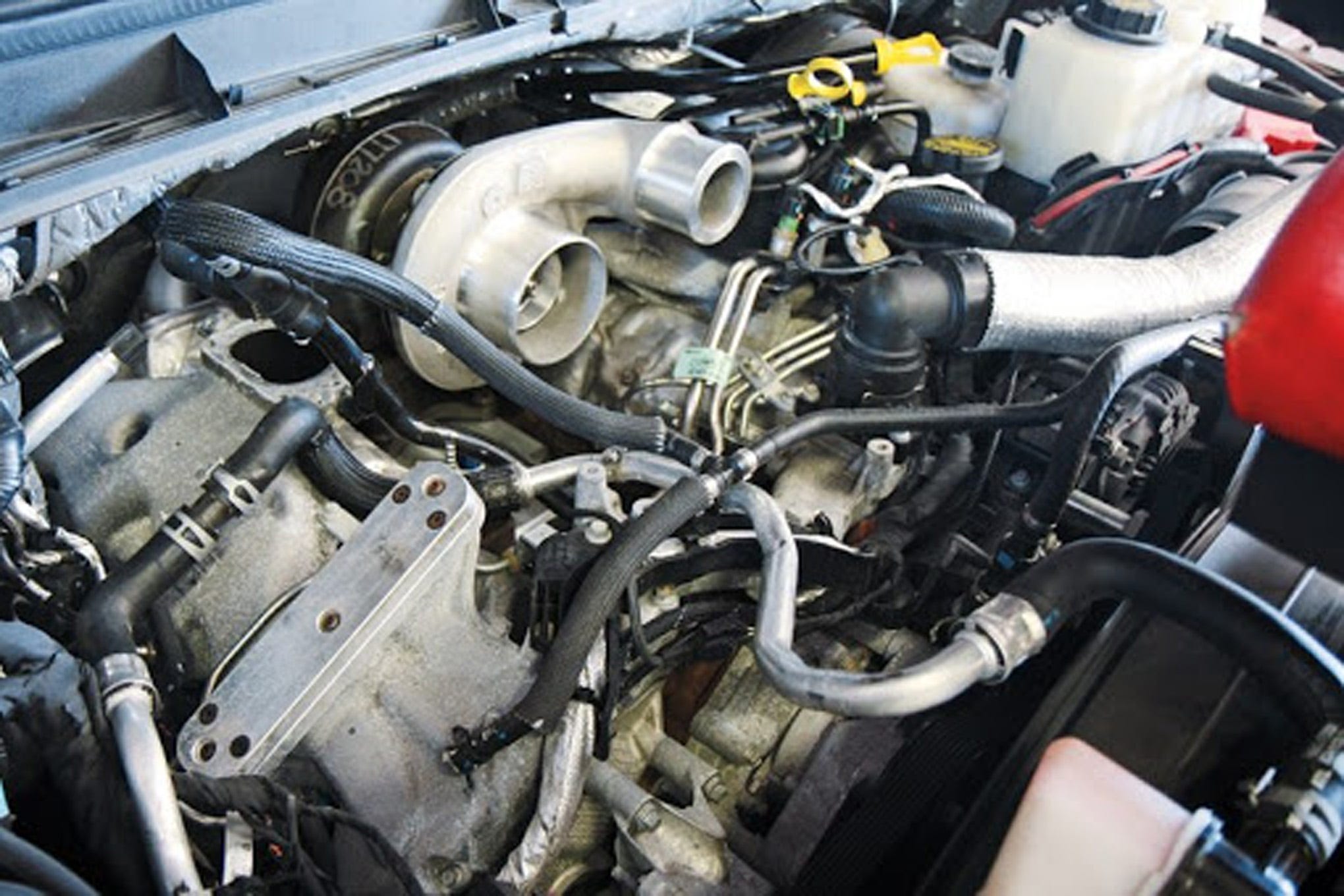
The Ford 6.7L Power Stroke is one of the most capable diesel engines ever put in a pickup truck. Introduced in 2011 as Ford's first in-house diesel design (replacing the International-sourced 6.4L), it produces impressive power and torque numbers and has proven itself in demanding towing and hauling applications across the country.
But like any complex diesel engine, the 6.7 Power Stroke has a handful of well-documented weak points that owners need to know about. Some of these issues are minor maintenance items. Others - if ignored - can turn into five-figure repair bills.
At Braxton's Diesel Works in Moody, TX, we work on 6.7 Power Stroke trucks regularly. Here is what we see most often, what the warning signs look like, and what it takes to fix them.
6.7 Power Stroke Problems at a Glance
| Problem | Severity | Affected Years | Est. Repair Cost |
|---|---|---|---|
| EGR Cooler Failure | High | 2011-2019 | $1,200 - $2,500 |
| CP4 Injection Pump Failure | Critical | 2011-2019 | $8,000 - $15,000+ |
| VGT Turbocharger Issues | Moderate | 2011-2022 | $500 - $3,500 |
| Radiator / Coolant Leaks | Moderate | 2011-2016 | $400 - $1,200 |
| DPF Clogging | Moderate | 2011-present | $300 - $2,500 |
| Injector O-Ring Leaks | Low-Moderate | 2011-2022 | $200 - $800 |
EGR Cooler Failure
HighAffected: 2011-2019 (most common 2011-2014)
The EGR (Exhaust Gas Recirculation) cooler is arguably the most notorious weak point on the 6.7 Power Stroke. The cooler uses engine coolant to lower exhaust gas temperatures before recirculating them back into the intake. When the cooler cracks or fails internally, coolant mixes with exhaust gases and gets pulled into the intake manifold. In mild cases you will see white smoke and coolant loss. In severe cases, coolant floods the intake and cylinders, causing a hydrolocked engine - a catastrophic failure that can bend connecting rods and destroy the engine.
- -White or gray smoke from exhaust
- -Coolant loss with no visible external leak
- -Sweet smell from exhaust
- -Overheating or coolant warning light
- -Rough idle after cold start
EGR cooler replacement, coolant system flush, and inspection of the intake manifold and cylinders for coolant contamination. Many owners also upgrade to an aftermarket EGR cooler with improved durability.
CP4 High-Pressure Fuel Pump Failure
CriticalAffected: 2011-2019
Ford switched to the Bosch CP4.2 high-pressure fuel injection pump starting with the 2011 6.7 Power Stroke. The CP4 is a precision German-engineered pump that relies on diesel fuel for lubrication. The problem is that American diesel fuel has lower lubricity than European diesel, which accelerates internal wear. When the CP4 fails, it does not just stop working - it self-destructs, sending metal debris throughout the entire high-pressure fuel system. A full CP4 failure typically requires replacing the pump, all six injectors, the fuel rails, high-pressure lines, and the fuel filter housing - a repair that can run $8,000 to $15,000 or more.
- -Hard start or no-start condition
- -Sudden loss of power while driving
- -Rough or erratic idle
- -Fuel pressure codes (P0087, P0191)
- -Metal shavings in fuel filter
Preventive options include adding a fuel lubricity additive and installing an aftermarket CP4 bypass kit that converts the system to a CP3 pump. If the pump has already failed, the entire high-pressure fuel system must be cleaned and rebuilt.
Variable-Geometry Turbocharger Issues
ModerateAffected: 2011-2022
The 6.7 Power Stroke uses a single variable-geometry turbocharger (VGT) that adjusts its vane position to optimize boost across the RPM range. The variable vanes can stick or become coated with carbon deposits, particularly in trucks used for frequent short trips or light-duty driving that does not fully heat the exhaust system. Stuck vanes cause the turbo to either under-boost or over-boost, triggering limp mode. The actuator motor that controls vane position can also fail electrically.
- -Limp mode / reduced power warning
- -Whining or grinding noise under boost
- -Black or blue smoke from exhaust
- -P0299 boost pressure code
- -Poor fuel economy
Carbon cleaning of the VGT vanes, actuator replacement, or in severe cases, turbo rebuild or replacement. Regular highway driving helps burn off carbon deposits. Catch it early and a cleaning may be all that is needed.
Radiator and Coolant System Failures
ModerateAffected: 2011-2016
The 6.7 Power Stroke runs a complex cooling system that handles both the engine and the EGR cooler. The factory plastic end tanks on the radiator are prone to cracking, especially on higher-mileage trucks. Additionally, the degas bottle (coolant overflow reservoir) can crack and leak, and the coolant hoses can harden and fail over time. A compromised cooling system accelerates EGR cooler failure, so keeping the coolant system in top shape is critical on this platform.
- -Coolant loss without visible leaks
- -Overheating under load
- -Coolant in the degas bottle appearing brown or rusty
- -Gurgling sounds from the heater core
Radiator replacement (aluminum all-metal upgrades are available), degas bottle replacement, coolant flush and refill with the correct Ford-spec coolant (VC-13-G), and hose inspection.
Diesel Particulate Filter (DPF) Clogging
ModerateAffected: 2011-present
Like all modern diesel trucks, the 6.7 Power Stroke uses a Diesel Particulate Filter to capture soot from the exhaust. The DPF periodically burns off accumulated soot in a process called regeneration. Trucks used primarily for short trips, stop-and-go driving, or light loads often cannot complete a full regen cycle, leading to DPF clogging. A clogged DPF causes back pressure, reduced power, and can result in fuel being injected during the exhaust stroke to raise exhaust temperatures - which dilutes the engine oil with diesel fuel.
- -DPF warning light on dash
- -Reduced power / limp mode
- -Excessive regen cycles (frequent short trips)
- -Fuel dilution in engine oil
- -Poor fuel economy
Forced DPF regeneration using a scan tool, DPF cleaning, or DPF replacement. For trucks used in light-duty applications, taking the truck on a 20-30 minute highway drive periodically helps complete passive regen cycles.
Fuel Injector O-Ring and Seal Leaks
Low-ModerateAffected: 2011-2022
The 6.7 Power Stroke injectors use rubber o-rings and copper crush washers to seal against the cylinder head. Over time and heat cycles, these seals can harden and crack, allowing small amounts of diesel to leak into the combustion chamber or externally. While not as catastrophic as a CP4 failure, injector seal leaks can cause white smoke on startup, rough idle, and fuel contamination of the engine oil if left unaddressed.
- -Diesel smell in the cab or engine bay
- -Visible fuel staining around injector bores
- -White smoke on startup
- -Rough idle that clears up when warm
Injector removal, o-ring and crush washer replacement, and reinstallation with proper torque specs. This is a good time to inspect the injector tips and test injector spray patterns.
Prevention
How to Keep Your 6.7 Power Stroke Running Strong
Most of the catastrophic failures on the 6.7 Power Stroke are preventable with proper maintenance and early intervention. Here is what we recommend to owners in Central Texas:
Change Oil on Schedule - or Earlier
Ford's oil change interval for the 6.7 Power Stroke can stretch to 10,000 miles, but many diesel mechanics recommend 5,000-7,500 miles for trucks that do heavy towing or work in dusty Texas conditions. Use the correct Ford-spec diesel oil.
Add a Fuel Lubricity Additive
American diesel fuel has lower lubricity than European diesel. Adding a quality lubricity additive (such as Stanadyne or Power Service) at every fill-up helps protect the CP4 pump and injectors from premature wear.
Monitor Coolant Level and Condition
Check coolant level monthly and inspect for brown or rusty discoloration, which can indicate EGR cooler contamination. Use only Ford-spec VC-13-G coolant and change it every 100,000 miles or 5 years.
Take It on the Highway Regularly
Trucks used for short trips struggle to complete DPF regeneration cycles. A 20-30 minute highway drive at least once a week helps burn off soot accumulation and keeps the turbo vanes clean.
Watch for Boost Codes
A P0299 code (underboost) is often the first sign of a VGT turbo issue. Catching it early - before the actuator fails completely - can save hundreds of dollars compared to a full turbo replacement.
Get Annual Diesel Diagnostics
A proper diesel scan tool reads live data that a generic OBD-II reader misses - fuel rail pressure, boost pressure, EGR flow rates, and more. Annual diagnostics catch developing problems before they become expensive failures.
Related Services
We Handle All of These Repairs in Moody, TX
Frequently Asked Questions
6.7 Power Stroke Questions We Hear All the Time
Central Texas Diesel Repair
Dealing with a 6.7 Power Stroke Problem?
Braxton's Diesel Works is located in Moody, TX and serves the entire Central Texas area - including Temple, Belton, Troy, Waco, and Lorena. We specialize in diesel diagnostics and repair on Ford Power Stroke, GM Duramax, and Cummins-powered trucks. If you are seeing any of the symptoms described in this article, give us a call before a manageable repair becomes an expensive one.